On this page
- 1. Arnold Schwarzenegger: The Icon Who Transcended Bodybuilding
- 2. Ronnie Coleman: The Unstoppable Eight-Time Mr. Olympia
- 3. Dorian Yates: The Shadow Who Revolutionized Training
- 4. Flex Wheeler: The Sultan of Symmetry
- 5. Shawn Ray: The Giant Killer with Consistent Excellence
- 6. Kevin Levrone: The Maryland Muscle Machine
- 7. Lee Priest: The Blonde Myth Who Broke the Mold
- 8. Nasser El Sonbaty: The Professor with Freakish Size
- 9. Chris Cormier: The Real Deal
- 10. Paul Dillett: The Freak with Unmatched Size
- Training Techniques That Defined the 90s
- Nutrition: Fueling the Giants of the 90s
- The Impact of Technology on Bodybuilding Training
- Legacy: The Enduring Influence of 90s Bodybuilders
- Conclusion
- Frequently asked questions
The 1990s were an explosive time for bodybuilding. With larger-than-life personalities and jaw-dropping physiques, this era gave rise to legends who redefined the sport. The 90s were not just about muscle; they were about pushing the boundaries of human potential, both physically and mentally. From iconic competitions to cutting-edge training techniques, the 90s left a lasting legacy that continues to influence bodybuilding today.
Let’s take a deeper look at ten of the most influential bodybuilders from this golden era and how they helped shape the sport as we know it today.
1. Arnold Schwarzenegger: The Icon Who Transcended Bodybuilding

Though Arnold Schwarzenegger’s competitive prime was in the 70s and early 80s, his influence remained pervasive throughout the 90s. Schwarzenegger’s impact on bodybuilding, and fitness in general, is immeasurable. During the 90s, his legacy was not just about what he had accomplished on stage, but also about how he shaped the perception of bodybuilding in mainstream culture.
Arnold’s journey from a small town in Austria to becoming the face of bodybuilding and then a global Hollywood superstar is a story of unparalleled success. His physique, a perfect blend of size, symmetry, and aesthetics, set the gold standard for bodybuilders of the 90s who grew up idolizing him. Arnold was known for his exceptional ability to connect mind and muscle, which allowed him to sculpt his body in ways that were both artistic and powerful.
During the 90s, Arnold wasn’t competing, but his presence was everywhere, from his blockbuster movies to his books on bodybuilding and fitness. His role in promoting the Arnold Classic, which became one of the most prestigious bodybuilding competitions in the world, further cemented his influence on the sport. This event gave bodybuilders another platform to showcase their physiques and helped to elevate the sport’s profile globally.
Moreover, Arnold’s dedication to the sport extended beyond his own achievements. He continuously advocated for bodybuilding as a legitimate sport and a pathway to a healthy lifestyle. Through his numerous interviews, articles, and public appearances, he helped break down the stereotypes surrounding bodybuilding, making it more accessible and appealing to the general public.
Arnold’s influence in the 90s was also felt in his role as an advocate for fitness education. His books, like “The Encyclopedia of Modern Bodybuilding” became essential reading for aspiring bodybuilders, offering insights into training techniques, nutrition, and the psychology of winning. His philosophies on training and life inspired countless individuals to pursue bodybuilding, leading to a surge in gym memberships and interest in fitness during the 90s.
Arnold’s Impact on Bodybuilding Competitions
Even though Arnold had retired from competitive bodybuilding, his impact on the sport continued through his promotion of events like the Arnold Classic. The Arnold Classic became a premier competition, second only to the Mr. Olympia, attracting top-tier bodybuilders from around the world. The competition provided an alternative platform where bodybuilders could earn recognition and accolades, further expanding the reach and appeal of the sport.
The Arnold Classic was also known for its inclusive approach, featuring events for strongman competitions, fitness challenges, and even martial arts, which broadened the appeal of the event and brought more attention to the sport of bodybuilding.
2. Ronnie Coleman: The Unstoppable Eight-Time Mr. Olympia
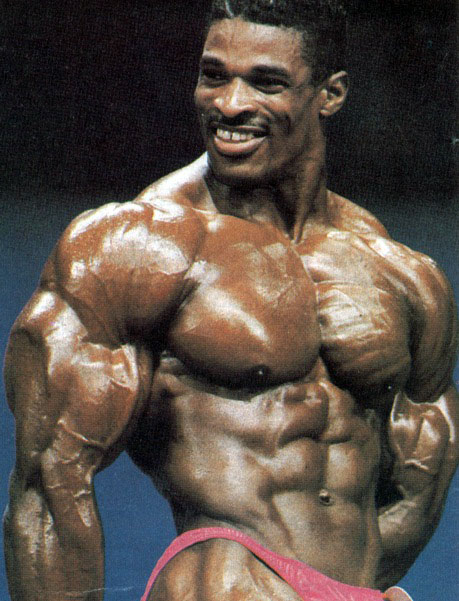
Ronnie Coleman is often regarded as one of the greatest bodybuilders of all time. His dominance in the late 90s and early 2000s is legendary. With eight consecutive Mr. Olympia titles from 1998 to 2005, Coleman not only set records but redefined what it meant to be a professional bodybuilder.
Coleman’s rise to the top was characterized by his extraordinary size and strength. He brought a new level of mass to the stage, combined with incredible conditioning that left audiences and judges in awe. His physique was the epitome of power and size, with massive quads, a thick back, and arms that seemed to defy human anatomy.
Ronnie’s training style was as intense as it gets. His workouts became the stuff of legend, particularly his leg days, which involved squatting and deadlifting weights that few other bodybuilders could even dream of lifting. The famous footage of him squatting 800 pounds for reps remains one of the most iconic moments in bodybuilding history.
Despite his massive size, Coleman maintained a level of conditioning that was unheard of for someone with his muscle mass. His vascularity and striations were visible even at his heaviest, showcasing not only his dedication to training but also his meticulous approach to nutrition and supplementation.
Ronnie’s Influence on the Sport
Coleman’s dominance in the late 90s brought a new level of attention to bodybuilding. His victories inspired a generation of bodybuilders to push the limits of what was physically possible. His approach to training, characterized by heavy lifting and high volume, became the blueprint for many aspiring bodybuilders looking to build massive physiques.
Ronnie also changed the perception of what was possible with a combination of hard work, genetics, and intelligent training. His catchphrases, like “Yeah, buddy!” and “Lightweight, baby!” became synonymous with his persona, reflecting his upbeat attitude and relentless work ethic.
Beyond his physical achievements, Coleman became a symbol of perseverance and dedication. His willingness to push through injuries and continue training at an elite level, even when faced with adversity, made him a beloved figure in the bodybuilding community.
3. Dorian Yates: The Shadow Who Revolutionized Training

Dorian Yates, known as “The Shadow,” brought a new level of intensity and focus to bodybuilding in the 90s. His approach to training and his six Mr. Olympia titles (1992-1997) established him as one of the most influential bodybuilders of his generation.
Yates was known for his High-Intensity Training (HIT) principles, which emphasized maximum effort in minimal time. Unlike traditional bodybuilding routines that focused on high-volume workouts, Yates’ approach was to train with fewer sets but at a much higher intensity. This method allowed him to achieve incredible results in a shorter amount of time, challenging the conventional wisdom of the era.
Yates’ physique was marked by incredible density and thickness, particularly in his back. His ability to build mass while maintaining a high level of conditioning set him apart from his competitors. His back double-bicep pose became one of the most iconic in the sport, symbolizing his dominance during his reign as Mr. Olympia.
Yates’ Impact on Bodybuilding Training
Dorian’s approach to training revolutionized the sport. His HIT principles became widely adopted, especially by those who sought to maximize their gains while minimizing the time spent in the gym. Yates also popularized the concept of “training to failure,” where each set is performed until no more reps can be completed, ensuring maximum muscle fiber recruitment.
Yates’ influence extended beyond just his training methods. He also emphasized the importance of mental toughness and discipline, often speaking about the psychological aspects of bodybuilding. His mindset was as much a part of his success as his physical training, and he inspired many bodybuilders to adopt a more focused and disciplined approach to their preparation.
4. Flex Wheeler: The Sultan of Symmetry

Flex Wheeler, often hailed as one of the most aesthetically gifted bodybuilders of all time, was known for his unmatched symmetry and balance. His physique was the epitome of the “classic” bodybuilding look, with a perfect balance of size, shape, and definition.
Wheeler’s competitive career was marked by numerous victories and top finishes, although he never captured the Mr. Olympia title. Despite this, many in the bodybuilding community regard his physique as one of the most impressive in the sport’s history. His flowing lines, small waist, and full muscle bellies made him a standout on stage, and he remains a favorite among bodybuilding fans.
Flex’s approach to training was meticulous, with a focus on achieving the perfect balance between all muscle groups. He was known for his precise and controlled movements, ensuring that each rep contributed to the overall symmetry and proportion of his physique. Wheeler’s attention to detail in his training and posing routines set a new standard for what could be achieved in bodybuilding.
Wheeler’s Influence on Aesthetics in Bodybuilding
Flex Wheeler’s impact on the sport goes beyond his competitive record. He redefined what it meant to have a “complete” physique, where every muscle group was perfectly balanced and symmetrical. This emphasis on aesthetics influenced a generation of bodybuilders who sought to combine mass with beauty, rather than focusing solely on size.
Wheeler’s influence can also be seen in the growing popularity of the Classic Physique division, which emerged in later years as a response to the desire for a more aesthetically pleasing bodybuilding standard. His legacy lives on in the countless athletes who strive to achieve the same level of symmetry and proportion that Wheeler made famous.
5. Shawn Ray: The Giant Killer with Consistent Excellence
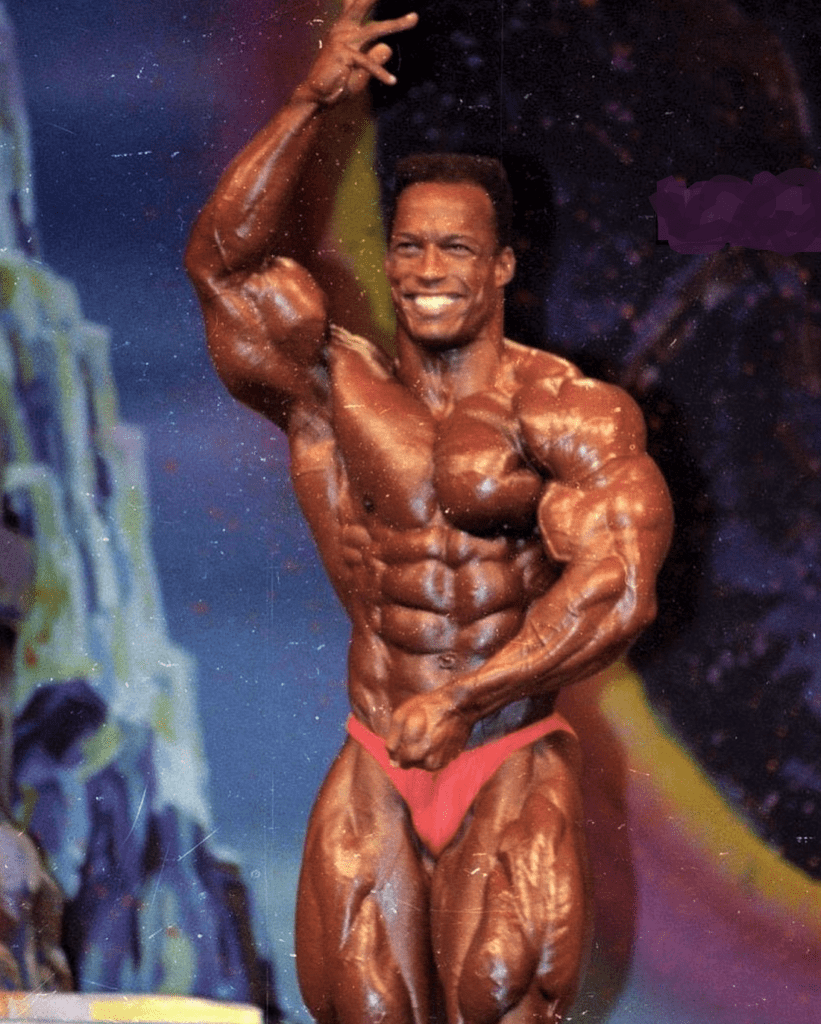
Shawn Ray, known as “The Giant Killer,” was one of the most consistent and successful bodybuilders of the 90s. Competing in 12 Mr. Olympia contests and never placing lower than 5th, Ray was a model of consistency and professionalism in the sport.
Ray was known for his ability to bring a complete package to the stage every time he competed. His physique was characterized by a perfect blend of size, symmetry, and conditioning, making him a perennial threat at every competition. Unlike some of his competitors who relied on sheer size, Ray focused on refining his physique to perfection, ensuring that he was always among the best-conditioned athletes on stage.
One of Ray’s most notable achievements was his ability to compete at a high level for over a decade. His longevity in the sport is a testament to his dedication, discipline, and ability to adapt to the ever-changing landscape of bodybuilding.
Shawn Ray’s Impact on Professionalism in Bodybuilding
Shawn Ray’s influence on bodybuilding extends beyond his physique. He was known for his professionalism, both on and off the stage. Ray’s approach to competition was meticulous, ensuring that he was always in peak condition when it mattered most. His consistency and attention to detail earned him the respect of his peers and fans alike.
Ray was also a vocal advocate for athletes’ rights within the sport. He often spoke out about the need for better treatment and compensation for professional bodybuilders, using his platform to push for positive changes within the industry. His efforts helped to raise awareness about the challenges faced by professional bodybuilders and contributed to the ongoing evolution of the sport.
6. Kevin Levrone: The Maryland Muscle Machine

Kevin Levrone, also known as “The Maryland Muscle Machine,” was one of the most successful and popular bodybuilders of the 90s. With 23 IFBB Professional wins, Levrone was a dominant force on the competitive circuit, known for his incredible muscle density, symmetry, and stage presence.
Levrone’s physique was characterized by full, round muscle bellies, particularly in his deltoids, chest, and arms. His ability to combine mass with aesthetics made him a favorite among fans and judges alike. Levrone was also known for his dynamic posing routines, which showcased his physique in the best possible light and earned him numerous Best Poser awards throughout his career.
One of the most remarkable aspects of Levrone’s career was his ability to make dramatic improvements to his physique in a short amount of time. Known for taking extended breaks from training between competitions, Levrone would return to the gym just a few months before a contest and quickly regain his size and conditioning, earning him a reputation as one of the most genetically gifted athletes in the sport.
Levrone’s Impact on Posing and Stage Presence
Kevin Levrone’s impact on bodybuilding goes beyond his physical achievements. His posing routines were a highlight of every competition he entered, combining artistry with athleticism to create performances that were both entertaining and inspiring. Levrone’s approach to posing set a new standard for what could be achieved on stage, influencing future generations of bodybuilders to focus not only on their physiques but also on how they presented them.
Levrone’s influence also extended to the way bodybuilders approached their off-seasons. His ability to rapidly gain size and conditioning before competitions challenged the traditional approach to bodybuilding preparation, leading some athletes to experiment with similar methods in their own training.
7. Lee Priest: The Blonde Myth Who Broke the Mold

Lee Priest, known as “The Blonde Myth,” was one of the most recognizable and controversial figures in bodybuilding during the 90s. Despite his shorter stature, Priest made a huge impact on the sport with his incredible muscle mass and density, particularly in his arms and legs.
Priest’s physique defied the traditional expectations of what a bodybuilder should look like. Standing at just 5’4″, Priest packed an enormous amount of muscle onto his frame, challenging the notion that size was the most important factor in bodybuilding success. His arms, in particular, were among the most impressive in the sport, with a level of thickness and vascularity that few could match.
Lee Priest was also known for his outspoken personality and willingness to challenge the status quo. He was never afraid to speak his mind, whether it was about the politics of bodybuilding or his own training and diet methods. This made him a polarizing figure, but also one of the most popular and well-respected athletes in the sport.
Priest’s Impact on Bodybuilding’s Image
Lee Priest’s influence on bodybuilding goes beyond his physical achievements. He helped to break down the barriers and stereotypes that often surrounded shorter bodybuilders, proving that size isn’t everything in the sport. His success on the competitive stage inspired many other shorter athletes to pursue bodybuilding, showing that height is no obstacle to building a world-class physique.
Priest’s outspoken nature also helped to shine a light on some of the issues within the bodybuilding industry. He was a vocal critic of the judging criteria and the way certain athletes were favored over others, which sparked important conversations about fairness and transparency in the sport.
8. Nasser El Sonbaty: The Professor with Freakish Size
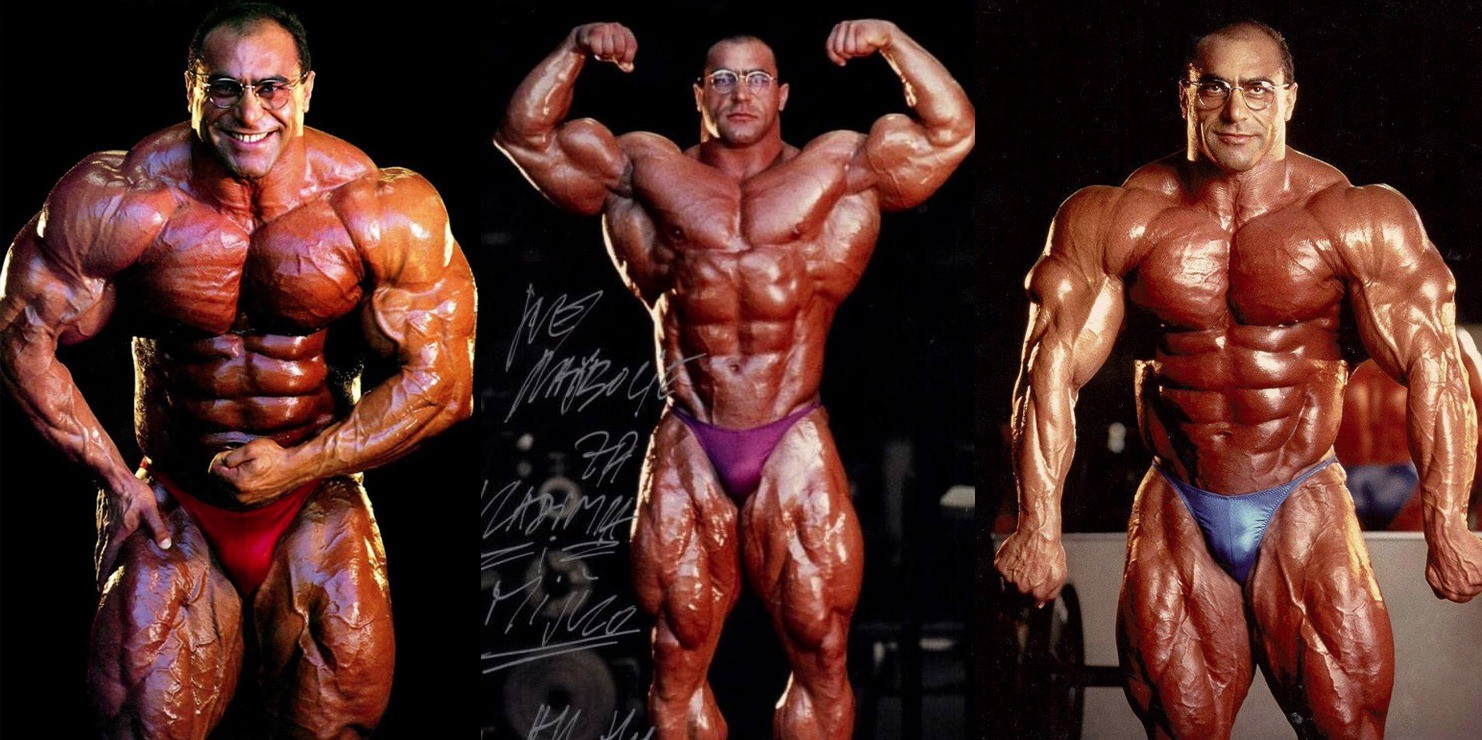
Nasser El Sonbaty, often referred to as “The Professor” due to his intellectual approach to bodybuilding, was known for his enormous size and detailed muscle development. Standing at 5’11” and weighing over 300 pounds in competition shape, El Sonbaty was one of the most imposing figures on the bodybuilding stage during the 90s.
El Sonbaty’s physique was marked by incredible thickness, particularly in his chest, shoulders, and arms. His massive frame and detailed muscularity made him a top contender in every competition he entered, and he placed as high as 2nd in the 1997 Mr. Olympia.
Despite his size, El Sonbaty was also known for his sharp mind and strategic approach to competition. He was a student of the sport, constantly analyzing his own performance and that of his competitors to find ways to improve. This intellectual approach earned him the nickname “The Professor” and made him one of the most respected figures in the bodybuilding community.
El Sonbaty’s Influence on Training and Nutrition
Nasser El Sonbaty’s influence on bodybuilding was significant, particularly in the areas of training and nutrition. He was known for his methodical approach to both, ensuring that every aspect of his preparation was optimized for maximum results. El Sonbaty was a strong advocate for the importance of nutrition in bodybuilding, often emphasizing that diet was just as important as training when it came to achieving a top-tier physique.
El Sonbaty also popularized the use of certain supplements and performance-enhancing strategies, which became more widely adopted in the sport during the 90s. His willingness to experiment with new methods and share his knowledge with others helped to advance the understanding of how to build muscle and achieve peak conditioning.
9. Chris Cormier: The Real Deal
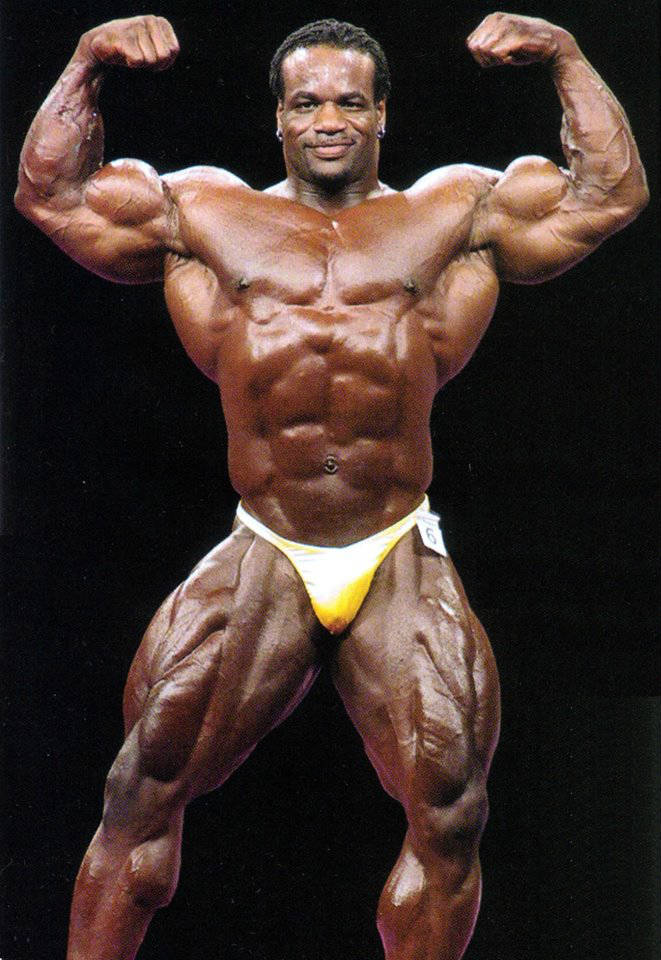
Chris Cormier, known as “The Real Deal,” was one of the most active and successful competitors of the 90s. With a career that saw him participate in over 70 professional contests, Cormier was a consistent presence on the bodybuilding stage and a perennial top contender.
Cormier’s physique was characterized by a perfect balance of size, symmetry, and conditioning. He was known for his incredible work ethic and ability to maintain peak condition throughout the competitive season. Cormier’s dedication to the sport was evident in his consistent top finishes, making him one of the most respected athletes of his era.
One of Cormier’s most notable achievements was his ability to remain competitive over an extended period. His longevity in the sport, combined with his impressive physique, earned him a reputation as one of the most reliable and consistent bodybuilders of the 90s.
Cormier’s Impact on Training Consistency and Longevity
Chris Cormier’s influence on bodybuilding extends to his approach to training and competition. He was known for his ability to peak at the right time, ensuring that he was always in top condition for major competitions. Cormier’s consistency and dedication to his craft set a standard for future generations of bodybuilders who aspired to have long and successful careers in the sport.
Cormier’s influence can also be seen in the emphasis on conditioning and symmetry that became more prominent in the late 90s and early 2000s. His balanced approach to training, which focused on developing every muscle group to its fullest potential, helped to shift the focus away from sheer size and toward a more complete and aesthetically pleasing physique.
10. Paul Dillett: The Freak with Unmatched Size

Paul Dillett, often referred to as “The Freak,” was one of the most imposing figures in bodybuilding during the 90s. Standing 6’1″ and weighing over 300 pounds in contest shape, Dillett’s physique was truly something to behold. His combination of size, vascularity, and muscular detail made him one of the most feared competitors on the stage.
Dillett’s physique was characterized by enormous arms, a thick chest, and legs that looked like tree trunks. His vascularity, particularly in his arms and chest, was unmatched, giving him a unique and intimidating appearance. Despite his massive size, Dillett was also known for his ability to maintain a high level of conditioning, which made him a consistent top finisher in major competitions.
Dillett’s Impact on the Perception of Size in Bodybuilding
Paul Dillett’s influence on bodybuilding was significant, particularly in the way he challenged the perception of what was possible in terms of size and muscularity. His physique pushed the boundaries of what was considered achievable, inspiring many bodybuilders to focus on increasing their mass and size.
Dillett’s impact can also be seen in the way bodybuilding competitions began to place more emphasis on size during the 90s. His success on the stage demonstrated that size could be a winning factor, leading to a shift in the judging criteria that favored larger, more muscular physiques.
Training Techniques That Defined the 90s
The 90s were a time of experimentation and innovation in bodybuilding training. As the sport grew in popularity, athletes and coaches began to develop new techniques and approaches to maximize muscle growth, conditioning, and overall performance.
High-Volume Training
High-Volume Training was one of the most popular approaches during the 90s, particularly among bodybuilders who were looking to build mass. This method involved performing a large number of sets and reps for each muscle group, often with relatively heavy weights. The idea was to create as much muscle stimulation as possible, leading to greater growth and development.
Bodybuilders like Ronnie Coleman and Chris Cormier were known for their high-volume training routines, which often involved multiple exercises for each muscle group, with each exercise performed for several sets. This approach required a significant amount of time and energy, but the results were often impressive, leading to massive gains in size and strength.
High-Intensity Training (HIT)
High-Intensity Training (HIT), popularized by Dorian Yates, was another major trend in the 90s. Unlike High-Volume Training, HIT focused on performing fewer sets but with maximum effort. The goal was to push each set to the point of failure, ensuring that the muscle was fully stimulated and exhausted.
HIT was particularly appealing to bodybuilders who were looking to maximize their gains while minimizing their time in the gym. By focusing on quality over quantity, HIT allowed athletes to achieve impressive results with shorter, more intense workouts. Dorian Yates’ success with this method helped to popularize HIT, and it became a widely adopted approach during the 90s.
The Mind-Muscle Connection
The concept of the mind-muscle connection was another key element of 90s bodybuilding training. This idea, which was heavily promoted by Arnold Schwarzenegger, emphasized the importance of focusing on the muscle being worked during each exercise. By concentrating on the contraction and extension of the muscle, bodybuilders could enhance their results and achieve greater muscle activation.
Many of the top bodybuilders of the 90s, including Flex Wheeler and Shawn Ray, were known for their ability to connect with their muscles during training. This focus on the mind-muscle connection helped them to develop more balanced and symmetrical physiques, with each muscle group fully developed and in proportion with the others.
The Role of Posing Practice
Posing practice became an increasingly important part of bodybuilding training during the 90s. As the sport grew more competitive, bodybuilders realized that their ability to present their physiques on stage could be just as important as their actual muscle development. Posing routines became more elaborate and artistic, with bodybuilders spending hours perfecting their poses and transitions.
The art of posing was particularly emphasized by bodybuilders like Kevin Levrone and Shawn Ray, who were known for their dynamic and entertaining routines. Their ability to showcase their physiques in the best possible light helped them to stand out in competitions and earn the admiration of fans and judges alike.
For any intense training regimen, a good protein source is vital, and the brands competing for your money today all trace their playbook straight back to this era.
Nutrition: Fueling the Giants of the 90s
Nutrition played a crucial role in the success of 90s bodybuilders. As the sport became more competitive, athletes began to pay closer attention to their diets, ensuring that they were getting the right balance of macronutrients to fuel their training and optimize their muscle growth.
The Importance of Protein
Protein was the cornerstone of the 90s bodybuilding diet. Athletes consumed large amounts of protein to support muscle growth and repair, with many bodybuilders eating up to 1.5 grams of protein per pound of body weight each day. Chicken, beef, fish, and eggs were staples of the bodybuilding diet, providing the high-quality protein needed to build and maintain muscle mass.
Protein supplementation also became increasingly popular during the 90s. Whey protein, in particular, became the go-to supplement for bodybuilders, thanks to its fast absorption and high biological value. Many athletes would consume protein shakes before and after workouts to ensure that their muscles were getting the nutrients they needed to recover and grow.
Carbohydrates and Fats
Carbohydrates and fats also played an important role in the 90s bodybuilding diet. Carbohydrates provided the energy needed for intense training sessions, while fats were essential for hormone production and overall health.
Bodybuilders would often cycle their carbohydrate intake, consuming more carbs on training days to fuel their workouts and less on rest days to promote fat loss. This approach, known as carb cycling, helped athletes to maintain their energy levels while staying lean and shredded.
Fats were also carefully managed, with an emphasis on healthy fats from sources like avocados, nuts, and olive oil. These fats provided essential fatty acids that supported hormone production, including testosterone, which is critical for muscle growth.
The Rise of Supplementation
The 90s saw a significant rise in the use of supplements in bodybuilding. In addition to protein powders, athletes began to experiment with a wide range of other supplements, including creatine, branched-chain amino acids (BCAAs), glutamine, and pre-workout formulas.
Creatine, in particular, became one of the most popular supplements of the 90s, thanks to its ability to increase strength and muscle mass. Studies showed that creatine could help bodybuilders lift heavier weights and recover faster between sets, leading to greater gains in size and strength.
BCAAs were another popular supplement, used to support muscle recovery and reduce muscle breakdown during intense training. Glutamine, an amino acid that plays a key role in muscle repair and immune function, was also widely used by bodybuilders to enhance recovery and support overall health.
Pre-workout supplements, designed to boost energy and focus during training, became a staple of the 90s bodybuilding scene. These formulas often contained caffeine, nitric oxide boosters, and other ingredients that helped athletes push through their workouts with greater intensity and focus.
Customized Diet Plans
During the 90s, bodybuilders began to realize the importance of customizing their diet plans to suit their individual needs. Rather than following a one-size-fits-all approach, athletes started to work with nutritionists and diet coaches to create personalized meal plans that took into account their specific goals, body types, and training regimens.
These customized diet plans allowed bodybuilders to fine-tune their nutrition, ensuring that they were getting the right balance of macronutrients, vitamins, and minerals to support their training and competition goals. This approach also helped to optimize fat loss, muscle growth, and overall health, allowing athletes to achieve peak condition on stage.
The Impact of Technology on Bodybuilding Training
The 90s witnessed a surge in technological advancements that transformed the way bodybuilders approached their training routines. From the introduction of advanced gym equipment to the use of supplements and performance-enhancing substances, athletes leveraged these advancements to further push their limits and achieve unprecedented levels of muscular development.
Advanced Gym Equipment
The 90s saw the introduction of new gym equipment that allowed bodybuilders to target specific muscle groups more effectively. Machines with adjustable resistance, cable systems, and specialized isolation equipment became more widely available, giving athletes the tools they needed to fine-tune their physiques.
These advancements in gym equipment allowed bodybuilders to train with greater precision and efficiency, reducing the risk of injury and ensuring that they were able to fully engage the muscles they were targeting. This led to more balanced and symmetrical physiques, with bodybuilders able to address their weak points and build a more complete package.
The Internet and the Spread of Information
The advent of the internet in the 90s revolutionized the dissemination of training information within the bodybuilding community. Online forums, websites, and chat rooms became hubs for sharing workout tips, diet plans, and posing techniques, allowing athletes to connect with like-minded individuals worldwide.
This digital revolution democratized access to training knowledge, empowering aspiring bodybuilders to learn from the best in the industry and refine their own training strategies. Bodybuilders could now access information on the latest training techniques, nutrition strategies, and supplement protocols, helping them to stay ahead of the competition and achieve their goals.
The internet also allowed bodybuilders to connect with fans and build their personal brands. Many athletes started their own websites and newsletters, sharing insights into their training, diet, and competition prep. This direct connection with fans helped to build a stronger bodybuilding community and increased the visibility of the sport.
The Role of Performance-Enhancing Substances
The 90s also saw an increase in the use of performance-enhancing substances in bodybuilding. While these substances had been used in the sport for decades, the 90s brought new levels of sophistication and understanding to their use. Bodybuilders began to experiment with more advanced cycles and combinations, often working with medical professionals to optimize their results.
The use of performance-enhancing substances became a controversial topic within the sport, with debates over their safety, ethics, and impact on the integrity of competition. However, their widespread use during the 90s undoubtedly played a role in the massive size and conditioning gains seen in the top competitors of the era.
The Evolution of Supplementation
The 90s were also a time of rapid evolution in the supplement industry. As scientific understanding of nutrition and muscle metabolism grew, supplement companies began to develop more advanced products designed to support muscle growth, recovery, and performance.
Creatine monohydrate, as mentioned earlier, became one of the most popular and well-researched supplements of the decade. Its ability to enhance strength and muscle mass made it a staple for bodybuilders and athletes alike. Other supplements, such as nitric oxide boosters, also gained popularity for their ability to enhance blood flow and muscle pumps during workouts.
The rise of pre-workout supplements also changed the way bodybuilders approached their training sessions. These products, often containing stimulants like caffeine, provided a boost in energy and focus, allowing athletes to train with greater intensity and endurance. The use of these supplements became a common part of the pre-training ritual for many bodybuilders.
Legacy: The Enduring Influence of 90s Bodybuilders
The impact of 90s bodybuilding legends is still felt today. They set the standard for modern gym culture, inspiring countless individuals to pursue their fitness goals. Whether it’s through their training techniques, nutritional strategies, or sheer determination, the bodybuilders of the 90s continue to inspire new generations to push the boundaries of what is possible.
How 90s Bodybuilding Shaped Today’s Fitness Industry
The 90s bodybuilding era marked a paradigm shift in the fitness industry. The immense popularity of bodybuilding during this time paved the way for modern gym culture, with aesthetically focused training programs and nutrition plans becoming the norm. Gym-goers around the world were inspired by the chiseled physiques of bodybuilding icons like Arnold Schwarzenegger and Ronnie Coleman, leading to a surge in the demand for personal trainers, nutritionists, and fitness equipment.
Moreover, the influence of 90s bodybuilding can be seen in various other sports, where athletes now prioritize strength, conditioning, and muscle development as integral components of their performance. Take, for example, basketball players who have adopted weightlifting and bodybuilding techniques to enhance their explosiveness and power on the court. The impact of bodybuilding’s emphasis on muscularity and physical prowess has permeated through different athletic disciplines, revolutionizing the way athletes train and prepare for competition.
The Lasting Influence of 90s Bodybuilding Icons
The legacy of 90s bodybuilding icons endures, impacting not only the fitness industry but also popular culture. From action movie stars with chiseled physiques to the rise of social media fitness influencers, the reverence for muscularity and a strong physique that emerged during this era continues to shape our perception of health, beauty, and success.
Bodybuilding legends like Dorian Yates and Flex Wheeler not only inspired aspiring bodybuilders but also left an indelible mark on the entertainment industry. Their larger-than-life physiques became the embodiment of strength and power, leading to numerous opportunities in Hollywood. Action movies of the 90s and early 2000s were dominated by actors who had transformed their bodies through bodybuilding-inspired training, showcasing the impact of this era on mainstream media and popular culture.
Furthermore, the rise of social media has given birth to a new generation of fitness influencers who draw inspiration from the 90s bodybuilding era. These influencers, with their sculpted physiques and motivational messages, continue to inspire millions of followers to pursue their fitness goals and embrace a healthier lifestyle. The enduring influence of 90s bodybuilding icons can be seen in the way social media platforms have become a hub for fitness enthusiasts, creating a global community that celebrates strength, discipline, and self-improvement.
The Ongoing Evolution of Bodybuilding
The 90s were a transformative time for bodybuilding, setting the stage for the sport’s ongoing evolution. The advancements in training techniques, nutrition, and supplementation during this era laid the foundation for the modern bodybuilding landscape. Today’s athletes continue to build on the legacy of the 90s, pushing the boundaries of what is possible and striving for new levels of size, symmetry, and conditioning.
As bodybuilding continues to evolve, the influence of the 90s will remain a guiding force. The lessons learned from the legends of this era, from the importance of consistency and discipline to the value of innovation and experimentation, will continue to inspire and inform the next generation of bodybuilders. The legacy of the 90s is not just about the athletes who dominated the stage, but also about the spirit of relentless pursuit that defines the sport.
Conclusion
The 90s were truly a golden era for bodybuilding, with the rise of legendary athletes who pushed the boundaries of human potential and redefined the sport. Through their unmatched dedication, awe-inspiring physiques, and countless hours of grueling training, these legends solidified their place in the annals of bodybuilding history. Their impact on the sport and the wider fitness industry continues to reverberate today, inspiring generations of athletes to reach for new heights and embrace the transformative power of bodybuilding.
Whether it’s through the training techniques they pioneered, the nutritional strategies they developed, or the sheer determination they embodied, the bodybuilders of the 90s have left an indelible mark on the sport. Their legacy is one of greatness, and their influence will continue to be felt for years to come.
So, as we look back on the 90s, let’s remember the legends who shaped the sport we love and celebrate the enduring impact they have had on bodybuilding and beyond.
Frequently asked questions
Who dominated 90s bodybuilding?
Dorian Yates, with six consecutive Mr. Olympia titles from 1992 to 1997. Then Ronnie Coleman closed the decade by starting his record run of eight straight titles from 1998. Between them they defined the mass era.
Who was the best bodybuilder never to win the Mr. Olympia?
The 90s produced the three most famous nearly-men in the sport's history: Flex Wheeler (whom Arnold called one of the greatest he'd ever seen), Kevin Levrone (a record four runner-up finishes), and Shawn Ray (top-5 at the Olympia for 12 consecutive years).
What training styles defined the 90s?
Two rival philosophies: high-volume training as practised by Ronnie Coleman and Chris Cormier, and Dorian Yates's High-Intensity Training (HIT), which meant fewer sets taken to absolute failure. Both produced Sandows, and lifters still argue the split today.
How big were 90s bodybuilders?
The extremes were Paul Dillett and Nasser El Sonbaty, both competing at over 300 pounds, while Shawn Ray proved you could beat giants at around 210 pounds with condition and symmetry.
Keep reading
On semaglutide or tirzepatide, up to 40% of the weight you lose can be lean tissue. Here's the daily protein target, what the trials measured, and which powders go down when your appetite doesn't.
Was 90's Bodybuilding the real Golden Era of bodybuilding? Discover all about 90's bodybuilders in what may have been the greatest era in the sport.
Every Impact Whey flavour we've actually tasted, ranked, plus what's changed in the 2026 UK lineup, current prices, and the value maths per 100g of protein.