On this page
- The Evolving Role of Protein in 2026 Weight Loss Science
- Key Criteria for Selecting a Weight Loss Protein Powder
- Top 10 Protein Powder Brands of 2026 Compared
- Optimal Timing and Dosage for Maximum Fat Burning
- Avoiding Common Pitfalls in Protein-Supplemented Diets
- Sustainable Integration: Beyond the Shaker Bottle
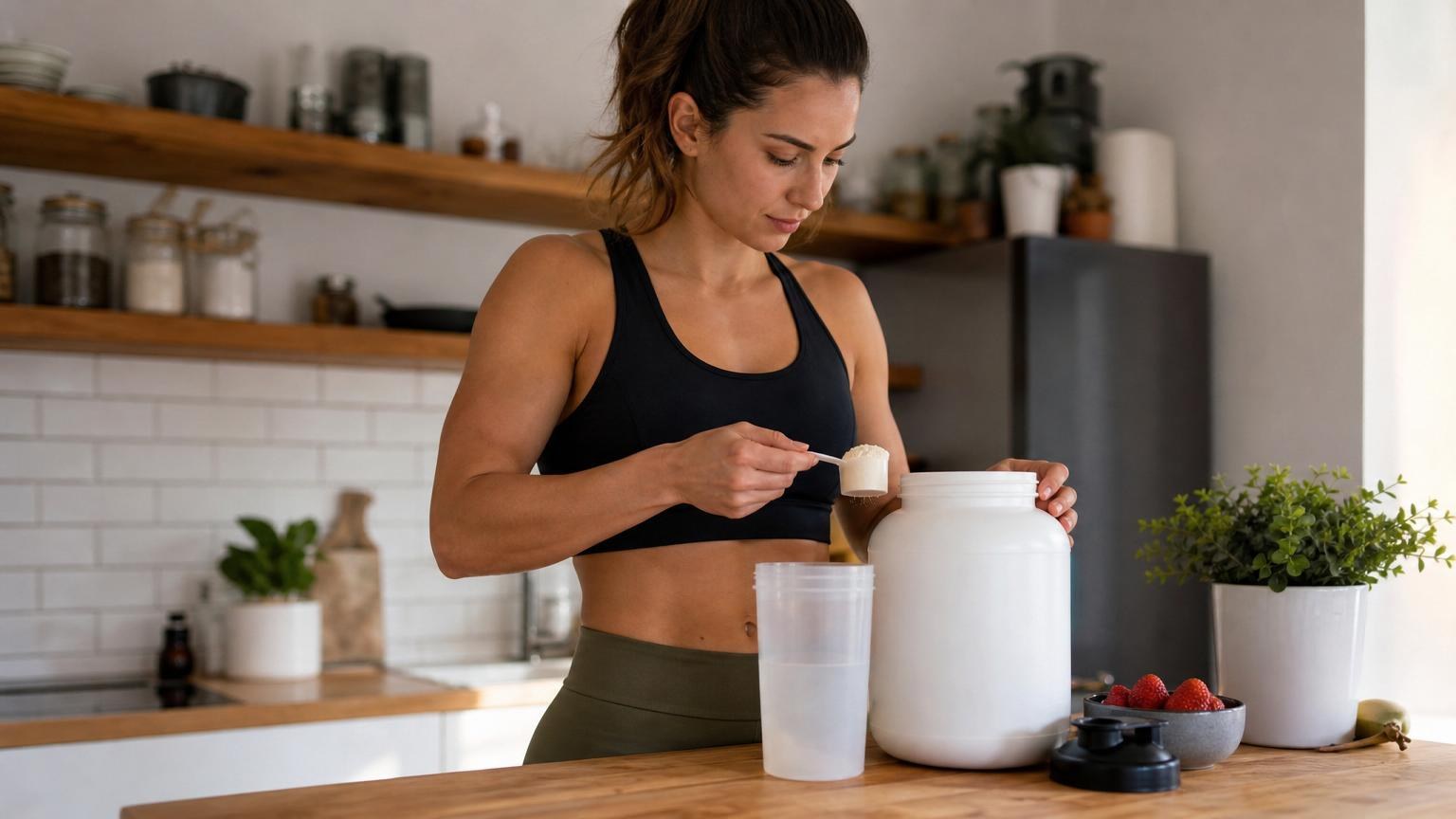
Losing weight is hard enough without having to decode supplement labels and marketing hype. If you’ve tried scrolling through endless product pages looking for the best protein powder for weight loss, you already know the frustration: every brand claims to be the one that’ll finally melt fat and build muscle. The truth is, protein powder can genuinely support fat loss, but only if you pick the right one and use it correctly. The science has shifted meaningfully in the last couple of years, and what worked in 2023 doesn’t necessarily hold up now. This guide compares the top 10 protein powder brands of 2026 side by side, breaking down what actually matters: ingredients, macros, absorption, and real-world results. Whether you’re a gym regular or someone who just wants a filling breakfast that doesn’t wreck your calorie budget, there’s a pick here for you. No fluff, no sponsored nonsense: just honest analysis to help you make a smart choice.
The Evolving Role of Protein in 2026 Weight Loss Science
The relationship between protein intake and fat loss isn’t new, but our understanding of the mechanisms has gotten sharper. Research published in early 2026 from the American Journal of Clinical Nutrition confirmed what many nutritionists suspected: higher protein diets don’t just preserve muscle during a caloric deficit, they actively increase daily energy expenditure by 80 to 100 calories compared to lower protein approaches. That’s not a miracle, but over months, it adds up.
What’s changed in 2026 is the focus on protein quality, not just quantity. Scientists are paying closer attention to amino acid profiles, digestion speed, and how different protein sources interact with gut bacteria. The old “just hit your macros” advice is being replaced with more nuanced guidance about timing, source, and processing methods.
Thermogenic Effects and Metabolic Boosting
Protein has the highest thermic effect of any macronutrient. Your body burns roughly 20 to 30 percent of the calories from protein just digesting it, compared to 5 to 10 percent for carbohydrates and 0 to 3 percent for fats. This means a 30-gram protein shake that clocks 120 calories effectively costs your body 24 to 36 calories to process.
Some 2026 formulations have leaned into this by adding thermogenic compounds like green tea extract, capsaicin, or L-carnitine directly into the protein blend. These additions can nudge your metabolic rate slightly higher, though the protein itself is doing most of the heavy lifting. Don’t let brands convince you their “fat-burning matrix” is worth a $20 premium: the protein is the star.
Satiety Signals and Hunger Hormone Regulation
This is where protein really earns its keep for weight loss. Protein triggers the release of peptide YY and GLP-1, two hormones that tell your brain you’re full. It simultaneously suppresses ghrelin, the hormone that makes you want to raid the fridge at 10 PM.
A 2025 meta-analysis covering over 40 studies found that people consuming 25 to 30 grams of protein per meal reported 30 percent less hunger throughout the day compared to those eating the same calories from carbs and fat. That’s a massive difference when you’re trying to sustain a deficit. The practical takeaway: a well-chosen protein powder can genuinely make dieting feel less miserable.
Key Criteria for Selecting a Weight Loss Protein Powder
Not all protein powders are created equal, and the differences matter more than most people realize. A powder marketed for weight loss can still contain enough hidden calories to sabotage your progress. Here’s what to actually look at before you buy.
Calorie-to-Protein Ratios and Macro Efficiency
The single most important number on any protein powder label is the ratio of protein grams to total calories. You want at least 80 percent of the calories coming from protein itself. A quick formula: multiply the protein grams by 4 (since protein has 4 calories per gram), then divide by total calories per serving.
For example, a serving with 25 grams of protein and 130 calories gives you a ratio of 77 percent: decent but not great. A serving with 27 grams and 110 calories hits 98 percent: that’s what you’re after. Anything below 70 percent means there’s a lot of filler, fat, or carbs padding the formula.
Identifying Hidden Sugars and Artificial Fillers
Some brands sneak in maltodextrin, dextrose, or “natural flavoring” blends that are essentially sugar by another name. Check the ingredient list, not just the nutrition panel. If sugar alcohols appear in the first five ingredients, that’s a red flag.
Artificial thickeners like carrageenan and xanthan gum are common and generally safe, but some people experience bloating from them. If you’ve had digestive issues with protein powders before, look for brands that use minimal thickening agents. Clean labels with 8 or fewer ingredients tend to be your safest bet.
The Importance of Bioavailability and Absorption Rates
Bioavailability measures how much of the protein your body actually absorbs and uses. Whey protein isolate scores highest, with a biological value of around 104. Casein sits at about 77, and most plant proteins fall between 50 and 75 unless they’ve been specifically processed to improve absorption.
In 2026, several brands have started using fermentation and enzymatic pre-digestion to boost plant protein bioavailability. This is a real advancement, not marketing spin. If you’re going plant-based, look for brands that specifically mention enhanced digestibility or fermented protein sources.
Top 10 Protein Powder Brands of 2026 Compared
Here’s where the rubber meets the road. After analyzing lab reports, ingredient lists, user reviews, and price-per-serving data, these are the ten brands worth your money this year.
Best Whey Isolates for Lean Muscle Retention
- Transparent Labs 100% Grass-Fed Whey Isolate - 28g protein, 120 calories per serving. No artificial sweeteners, third-party tested. The gold standard for clean whey. Around $1.80 per serving.
- Momentous Whey Isolate - 24g protein, 110 calories. Used by several professional sports teams. Excellent mixability and mild flavor. About $2.10 per serving.
- Legion Whey+ - 22g protein, 110 calories. Naturally sweetened with stevia, no fillers. Great taste across all flavors, especially the cinnamon cereal. Roughly $1.50 per serving, making it a strong value pick.
- Kaged Muscle Micropure Whey Isolate - 25g protein, 120 calories. Informed Sport certified, cold-processed. A reliable choice for anyone who trains seriously. About $1.70 per serving.
These four consistently test clean in independent lab analyses, and their protein-to-calorie ratios are all above 80 percent. If you tolerate dairy well, any of these will serve you.
Leading Plant-Based Options for Sustainable Fat Loss
- Ritual Essential Protein - 20g protein from fermented pea, 115 calories. The fermentation process genuinely improves amino acid absorption. Traceable ingredients with a transparent supply chain. Around $2.00 per serving.
- Orgain Organic Protein - 21g protein, 150 calories. Slightly higher calorie count due to organic brown rice and chia, but the fiber content (5g) helps with satiety. Budget-friendly at about $1.20 per serving.
- Garden of Life Raw Organic Fit - 28g protein, 160 calories. Includes green coffee bean extract and Ashwagandha. Specifically formulated for weight management. About $1.90 per serving.
Plant-based powders have improved dramatically. The gritty, chalky formulas of a few years ago are mostly gone. These three actually taste good and mix smoothly.
Innovative Hybrid Blends with Added Metabolic Support
- Gainful Personalized Blend - Custom macro ratios based on your goals and body type. You take a quiz, they build your formula. Protein content ranges from 22 to 30g depending on your profile. Around $2.50 per serving, but the personalization is genuinely useful.
- Bare Performance Nutrition Strong Greens + Protein - 20g protein plus a full greens blend, 130 calories. Combines two supplements into one, which is both convenient and cost-effective. About $1.85 per serving.
- Onnit Total Protein - 20g protein from a whey and plant hybrid, 140 calories. Contains digestive enzymes and MCT oil for sustained energy. Good for people who want a meal replacement feel without the calorie bomb. Roughly $2.20 per serving.
These hybrid options reflect the 2026 trend of multi-functional supplements. They won’t replace whole foods, but they fill gaps intelligently.
Optimal Timing and Dosage for Maximum Fat Burning
Having the right powder matters, but how and when you use it can make a noticeable difference in your results. The “just drink it whenever” approach leaves results on the table.
Most research points to 1.6 to 2.2 grams of protein per kilogram of body weight daily for people in a caloric deficit who want to preserve muscle. For a 170-pound person, that’s roughly 125 to 170 grams per day. One to two protein shakes can cover 40 to 60 grams of that, with the rest coming from whole food sources like chicken, eggs, fish, and legumes.
Pre-Workout vs. Post-Workout Benefits
The “anabolic window” myth has been thoroughly debunked, but timing still matters to a degree. Having 20 to 30 grams of protein within two hours of training supports muscle protein synthesis during recovery. Whether that’s before or after your workout matters less than whether you do it at all.
Pre-workout protein can be particularly useful if you train in the morning and haven’t eaten yet. A fast-digesting whey isolate 30 to 45 minutes before training gives your muscles amino acids to work with and prevents excessive muscle breakdown during the session. If you train after lunch or dinner, you’re already covered and a post-workout shake is fine.
Protein-First Breakfasts for All-Day Cravings Control
This is honestly the highest-impact change most people can make. Starting your day with 25 to 30 grams of protein dramatically reduces cravings for the rest of the day. A 2025 study from the University of Missouri found that high-protein breakfasts reduced evening snacking by 25 percent compared to high-carb breakfasts with the same calorie count.
A simple protein smoothie with one scoop of powder, a handful of spinach, half a banana, and some ice takes three minutes and keeps you satisfied until lunch. If you’re only going to change one thing about your supplement routine, make it this.
Avoiding Common Pitfalls in Protein-Supplemented Diets
The biggest mistake people make is treating protein powder as a magic bullet rather than a tool. A shake on top of an already calorie-heavy diet won’t help you lose weight: it’ll add 100 to 160 calories per serving that you need to account for.
Another common trap is over-relying on shakes and under-eating whole foods. Protein powder lacks the micronutrients, fiber, and food matrix effects you get from real meals. One to two shakes daily is reasonable. Three or more starts to crowd out foods your body needs for overall health.
Watch out for “mass gainer” products disguised as weight loss protein. Some brands sell nearly identical packaging but with wildly different calorie counts. Always check the label yourself rather than trusting the front-of-package marketing. A product labeled “lean” or “fit” has no regulated meaning: those are just words.
Finally, don’t ignore digestive comfort. If a protein powder makes you bloated, gassy, or uncomfortable, switch to something else. No amount of good macros is worth feeling terrible. Try a different protein source entirely: moving from whey concentrate to isolate, or from pea to rice protein, often solves the problem.
Sustainable Integration: Beyond the Shaker Bottle
The best protein powder for weight loss in 2026 isn’t just the one with the best macros: it’s the one you’ll actually use consistently for months. That means taste, convenience, and cost all matter as much as the nutrition label.
Think beyond shakes. Mix protein powder into overnight oats, stir it into Greek yogurt, or bake it into high-protein muffins. The more ways you can incorporate it into foods you enjoy, the more sustainable your habit becomes. Several of the brands listed above, particularly Transparent Labs and Legion, have flavors specifically designed to work well in recipes, not just mixed with water.
Price matters too. At two servings per day, the difference between a $1.20 and a $2.50 per-serving product adds up to nearly $800 over a year. If budget is tight, Orgain and Legion offer excellent value without cutting corners on quality.
Pick one or two products from this comparison that match your dietary preferences and budget. Order a single container first: don’t commit to a subscription until you know you like it. Track your protein intake for two weeks alongside your calories, and pay attention to how your hunger and energy levels respond. The data will tell you more than any marketing claim ever could. Your ideal protein powder is the one that fits your life, tastes good enough to drink daily, and helps you stay in a caloric deficit without feeling deprived.
Keep reading
On semaglutide or tirzepatide, up to 40% of the weight you lose can be lean tissue. Here's the daily protein target, what the trials measured, and which powders go down when your appetite doesn't.
The ultimate guide to 90s bodybuilders, how they trained, their impact, influence and more. Find out all in this article.
Was 90's Bodybuilding the real Golden Era of bodybuilding? Discover all about 90's bodybuilders in what may have been the greatest era in the sport.