On this page
- The Science of Flavor and Texture in Protein Powders
- Top-Rated Whey and Dairy-Based Proteins
- Delicious Plant-Based and Vegan Alternatives
- Specialty Powders for Keto and Paleo Lifestyles
- Flavor Profiles Beyond Standard Chocolate and Vanilla
- How to Enhance Your Protein Shake Experience
- Finding Your Perfect Protein Powder
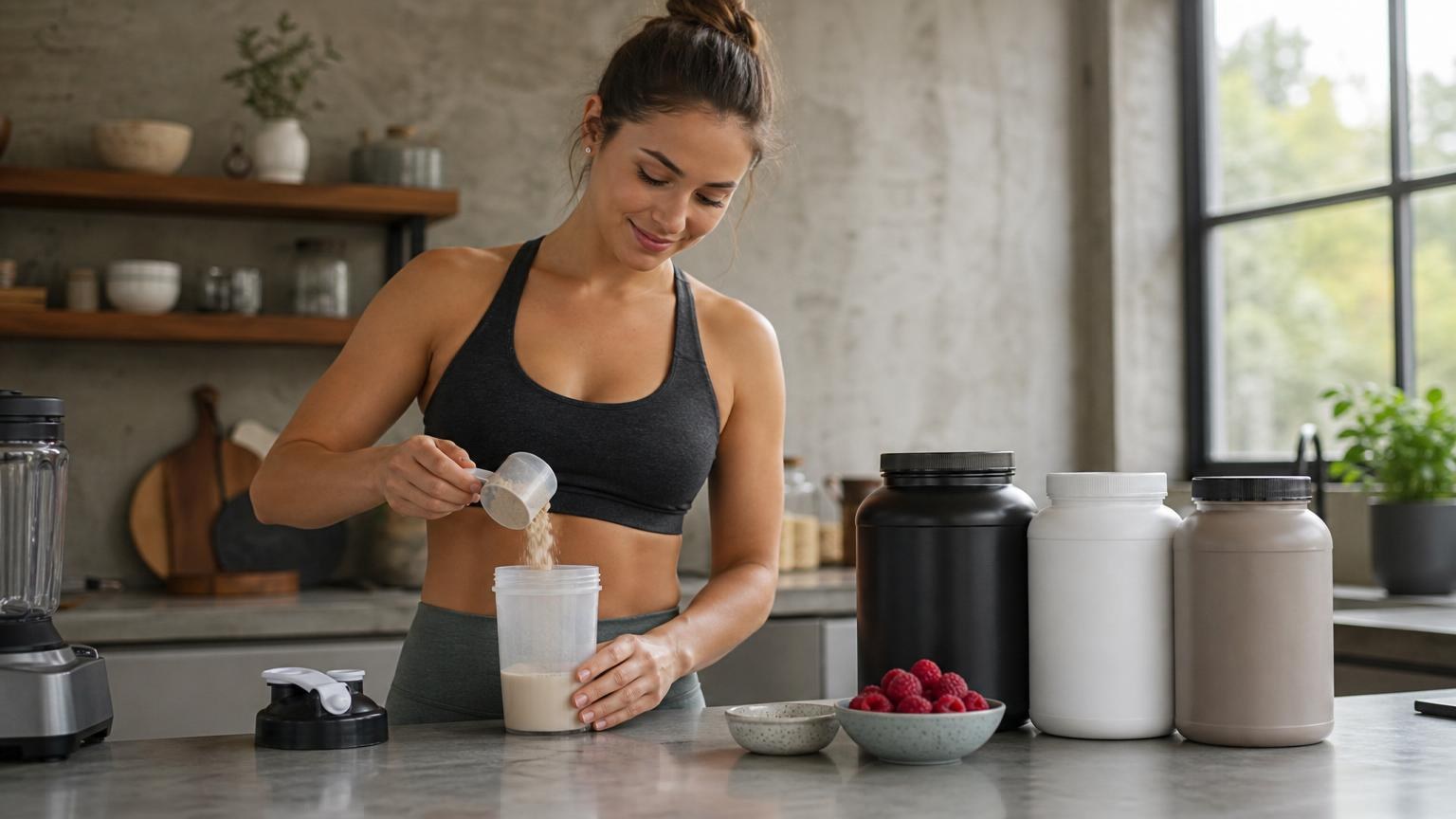
Choosing a protein powder based on macros alone is a recipe for disappointment. You can find a product with a perfect amino acid profile, minimal sugar, and 30 grams of protein per scoop, but if it tastes like chalky cardboard, that tub is going to collect dust on your shelf. The search for the best tasting protein powder is one of the most common quests in the fitness and nutrition world, and for good reason: consistency matters more than perfection, and you’re far more likely to stick with a supplement you actually enjoy drinking.
The problem is that “best tasting” is wildly subjective. Your ideal flavor depends on your dietary restrictions, your sweetener preferences, whether you mix with water or milk, and even how sensitive your palate is to stevia or sucralose. Someone on a keto diet has different needs than a vegan athlete, and both of them have different priorities than a casual gym-goer who just wants something that tastes like a milkshake. This guide breaks down the top options across every major dietary category, explains why some powders taste dramatically better than others, and gives you the tools to find your personal favorite without wasting money on products that end up in the trash.
The Science of Flavor and Texture in Protein Powders
Most people don’t think about why one protein powder tastes incredible while another makes them gag, but there’s actual food science behind the difference. Flavor in protein powders isn’t just about what sweeteners or cocoa powder a brand throws in. It starts at the molecular level with the protein source itself.
Whey protein concentrate, for example, retains more of the natural fats and lactose from milk, which gives it a naturally creamier, richer taste. Whey isolate strips most of that away during filtration, resulting in a cleaner but sometimes thinner flavor. Plant proteins like pea and hemp carry inherent earthy, sometimes bitter notes that manufacturers have to work around. The processing method, whether it’s cold-filtered, ion-exchanged, or enzyme-treated, directly affects the final taste.
Texture plays an equally important role. A powder can have the best flavor in the world, but if it clumps in your shaker bottle or leaves a sandy residue on your tongue, the experience falls apart. Manufacturers use emulsifiers like sunflower lecithin and soy lecithin to improve how protein particles disperse in liquid. Some brands add xanthan gum or guar gum to create a thicker, more shake-like consistency. These ingredients don’t just affect mouthfeel; they also influence how flavor compounds are released and perceived on your palate.
Temperature matters too. Cold liquids tend to suppress sweetness perception, which is why a protein shake mixed with ice-cold water can taste less sweet than the same powder mixed at room temperature. Brands that taste-test their products at refrigerator temperatures tend to get the sweetness balance right for how most people actually drink their shakes.
Natural vs. Artificial Sweeteners
The sweetener debate in protein powders has gotten more nuanced in 2026 than the old “natural good, artificial bad” binary. Sucralose remains the most common artificial sweetener in protein powders because it’s heat-stable, has no bitter aftertaste for most people, and provides intense sweetness at tiny doses. Acesulfame potassium (Ace-K) often appears alongside sucralose to round out the sweetness profile.
On the natural side, stevia and monk fruit extract dominate. Stevia has come a long way from the bitter, licorice-tinged versions of a decade ago. Modern Reb-M and Reb-D stevia extracts isolate the sweetest compounds without the metallic aftertaste that turned people off in earlier formulations. Monk fruit tends to have the cleanest taste of any natural sweetener, but it’s more expensive, so you’ll find it primarily in premium brands.
Allulose is the rising star. This rare sugar occurs naturally in figs and raisins, tastes about 70% as sweet as table sugar, and has virtually zero glycemic impact. Several protein powder brands have started incorporating allulose in 2026 because it provides a more “real sugar” taste than any other low-calorie sweetener. The downside is cost and the fact that it can cause digestive discomfort in some people at higher doses.
Here’s what actually matters for your decision: if you’re sensitive to artificial sweeteners or trying to avoid them for personal reasons, look for brands using monk fruit or the newer stevia extracts. If you just want the best taste and don’t mind artificial options, sucralose-sweetened powders consistently score highest in blind taste tests. And if you’re somewhere in the middle, allulose-based options offer a compelling compromise.
Achieving the Ideal Mixability and Mouthfeel
Nobody talks about mixability enough, but it can make or break your experience. A protein powder that requires a blender to avoid lumps is a powder you’ll stop using on busy mornings. The gold standard is a powder that dissolves cleanly in a shaker bottle with just water and 30 seconds of shaking.
Instantization is the manufacturing process that makes this possible. Protein particles are treated with lecithin or agglomerated (clustered into larger, more porous particles) so they absorb liquid quickly rather than forming stubborn clumps. Brands that invest in high-quality instantization consistently produce better-mixing products. You can usually tell by the powder’s texture before you even add liquid: finely instantized powder feels almost silky between your fingers, while poorly processed powder feels dense and flour-like.
Mouthfeel is the other half of the equation. Some people love a thick, creamy shake that feels like a dessert. Others prefer something thin and refreshing, closer to flavored water. Neither preference is wrong, but knowing what you want helps narrow your choices.
- Thicker shakes: Look for powders containing casein, MCT oil powder, or added fiber like inulin. Blending with milk (dairy or plant-based) also thickens things up.
- Thinner shakes: Whey isolate and clear whey formulas mix into lighter, more drinkable consistencies. Water is the obvious liquid choice here.
- Smooth shakes: Avoid powders with whole seed proteins (like chia or flax) unless they’re micro-milled. Check reviews specifically mentioning texture.
The ratio of liquid to powder matters more than most people realize. Using too little liquid creates an overly thick, sometimes gritty result. Too much liquid dilutes the flavor. Most brands recommend 6 to 10 ounces per scoop, but experimenting within that range helps you dial in your preferred consistency.
Top-Rated Whey and Dairy-Based Proteins
Whey protein remains the most popular category for a reason: it generally tastes the best, mixes the easiest, and has the most developed flavor options. Dairy-based proteins benefit from naturally occurring fats and sugars that give them a richer, more familiar flavor profile. If you’re not lactose intolerant or avoiding dairy for ethical reasons, this category is where you’ll find the widest selection of genuinely delicious options.
The whey market in 2026 is massive, and quality varies enormously. Budget brands often use lower-grade whey concentrate with heavy artificial flavoring to mask off-notes. Premium brands invest in better source material and more sophisticated flavor systems. The price difference between a mediocre whey and an excellent one is usually only $5 to $10 per container, which works out to pennies per serving. That small premium is almost always worth it.
Best Whey Isolates for Smooth Flavor
Whey isolate is the sweet spot for most people who want great taste with minimal digestive issues. The extra filtration removes most lactose and fat, making it suitable for many people with mild lactose sensitivity while keeping the protein content above 90%.
Optimum Nutrition’s Gold Standard line continues to set the benchmark. Their double rich chocolate and extreme milk chocolate flavors have been refined over years of consumer feedback, and they taste remarkably close to actual chocolate milk when mixed with cold water. The vanilla ice cream flavor is another standout, versatile enough to use in smoothies or just shake with water.
Dymatize ISO100 is the other heavyweight in this space. Their gourmet chocolate and birthday cake flavors consistently rank among the best tasting protein powder options in consumer surveys. The birthday cake flavor, in particular, has a buttery, sprinkle-like sweetness that doesn’t taste artificial. ISO100 also mixes exceptionally well, dissolving almost instantly in a shaker bottle.
Ghost Whey deserves special mention for their licensed collaboration flavors. Their Chips Ahoy and Nutter Butter flavors actually taste like the cookies they’re named after, which sounds gimmicky until you try them. Ghost uses a whey blend (concentrate and isolate) rather than pure isolate, which gives their shakes a slightly creamier body.
For people who want a cleaner label, Transparent Labs 100% Grass-Fed Whey Isolate offers excellent taste with no artificial sweeteners, colors, or preservatives. Their milk chocolate and cinnamon French toast flavors are standouts, sweetened with stevia and monk fruit. The taste isn’t quite as “dessert-like” as sucralose-sweetened options, but it’s impressively good for a naturally sweetened product.
Casein Options for a Creamy Texture
Casein is whey’s slower-digesting sibling, and its thick, pudding-like texture makes it a favorite for evening shakes or for people who want something that feels more like a meal. When mixed with less liquid and refrigerated, casein becomes almost custard-like, which is a feature, not a bug.
Optimum Nutrition’s Gold Standard Casein in chocolate supreme is the easiest recommendation here. It mixes well for a casein (which is saying something, since casein is notoriously thick), and the chocolate flavor is rich without being cloying. Mixed with about 6 ounces of milk and left in the fridge for 20 minutes, it genuinely resembles chocolate pudding.
Kaged Casein Elite is a newer entry that’s gained a loyal following. Their vanilla flavor uses a combination of micellar casein and natural flavors that produce a remarkably smooth result. It’s one of the few casein powders that tastes good with just water, though milk still improves the experience.
If you’ve tried casein before and hated the thickness, try mixing it in a blender with ice. This breaks up the gel-like consistency and creates something closer to a thick milkshake. Adding a tablespoon of peanut butter or a frozen banana transforms casein from a supplement into something you’d genuinely choose as a snack.
Delicious Plant-Based and Vegan Alternatives
The plant-based protein market has improved dramatically, but let’s be honest: the average vegan protein powder still doesn’t taste as good as the average whey powder. The gap has narrowed significantly in the last few years, though, and the best plant-based options are now genuinely enjoyable rather than just tolerable.
The key challenge with plant proteins is their inherent flavor profiles. Pea protein has a distinct earthy, slightly beany taste. Hemp protein is grassy and nutty. Brown rice protein can taste chalky. Manufacturers combat these flavors with stronger flavoring systems, better sweetener combinations, and by blending multiple protein sources so no single off-note dominates.
Texture has been the other major hurdle. Plant proteins tend to be grittier than whey because their particle structures don’t dissolve as readily in liquid. Advances in micro-milling and fermentation-based processing have helped enormously. Some 2026 plant protein powders are genuinely smooth, though you’ll still want to use a blender for the best results rather than just a shaker bottle.
Overcoming the Grittiness of Pea Protein
Pea protein isolate is the most popular plant-based protein source because of its complete amino acid profile (minus methionine, which is why it’s often paired with rice protein) and its relatively neutral taste compared to hemp or soy. But grittiness has been its Achilles’ heel.
The best brands solve this through processing innovation. Vega Sport Premium Protein uses a proprietary milling process that reduces pea protein particles to a finer size, resulting in noticeably smoother shakes. Their chocolate and mocha flavors are among the best in the plant-based category, with enough cocoa and coffee flavor to mask any residual pea taste.
Orgain Organic Protein is the crowd-pleaser for people who want something affordable and reliable. Their creamy chocolate fudge flavor is the one that converts skeptics. It uses a blend of pea, brown rice, and chia seed proteins, and the chocolate is strong enough to cover any plant-based off-notes. Mixed with oat milk, it tastes like a proper chocolate shake.
KOS Organic Plant Protein has quietly become one of the tastiest options available. Their chocolate flavor uses Peruvian cacao and coconut milk powder, which creates a richness you don’t expect from a plant-based product. The texture is smoother than most competitors, and the sweetness (from monk fruit and stevia) is well-balanced.
A practical tip that makes a real difference: always blend plant-based proteins with a frozen banana or a handful of frozen berries. The fruit’s natural sugars and the blending action smooth out any remaining grittiness and add body to the shake. This single change transforms many mediocre plant powders into genuinely good drinks.
Best Tasting Soy and Rice Blends
Soy protein has fallen somewhat out of fashion due to ongoing debates about phytoestrogens, but the science in 2026 continues to show that moderate soy intake is safe for the vast majority of people. From a taste perspective, soy protein isolate is actually one of the smoothest plant proteins available.
NOW Sports Soy Protein Isolate in vanilla is a no-frills option that mixes well and has a mild, pleasant flavor. It’s unflavored enough to work in both sweet and savory applications, which is useful if you like adding protein to oatmeal or pancake batter.
Rice protein on its own tends to be chalky, which is why you rarely see it sold as a standalone. The magic happens when rice and pea proteins are combined. This pairing creates a complete amino acid profile and a smoother texture than either protein alone. Growing Naturals Rice Protein in vanilla blast is one of the few standalone rice proteins that tastes decent, largely because they use a fermented rice protein that has less of the raw, starchy flavor.
The real winners in this category are the multi-source blends. Garden of Life Raw Organic Protein combines pea, brown rice, and 11 other sprouted proteins. Their chocolate cacao flavor is earthy but satisfying, especially for people who prefer less sweet protein shakes. PlantFusion Complete Protein takes a different approach, using pea, artichoke, amaranth, and quinoa proteins. Their rich chocolate flavor is one of the most “whey-like” plant proteins you’ll find, and the texture is impressively smooth for a multi-source blend.
Specialty Powders for Keto and Paleo Lifestyles
Keto and paleo diets have specific requirements that standard protein powders don’t always meet. Keto dieters need minimal carbs and often want added fats. Paleo followers avoid dairy, soy, grains, and legumes, which eliminates most mainstream options. The specialty powders designed for these diets have gotten much better in recent years, though the selection is still smaller than conventional categories.
The flavor challenge with keto and paleo powders is unique. Without dairy’s natural creaminess or the sweetness that comes from even small amounts of carbs, these products rely heavily on fat content and creative flavoring to taste good. Collagen peptides, egg white protein, and beef protein isolate are the most common bases, each with its own flavor characteristics.
High-Fat Collagen and MCT Oil Blends
Collagen protein has become a staple in keto circles because it dissolves almost invisibly into hot or cold liquids and has a very mild flavor. On its own, collagen doesn’t taste like much, which is actually an advantage: it takes on whatever flavor you add to it.
Vital Proteins Collagen Peptides remains the gold standard for unflavored collagen. It dissolves completely in coffee, smoothies, or even water with no detectable taste or texture change. Their flavored options, particularly the vanilla and dark chocolate, are lightly sweetened and taste clean rather than overpowering.
For keto-specific formulations, Perfect Keto Collagen combines grass-fed collagen with MCT oil powder and acacia fiber. Their salted caramel and chocolate flavors are surprisingly indulgent. The MCT oil powder adds a richness that mimics the mouthfeel of a dairy-based shake, and the fat content helps with satiety. Mixed into coffee, the salted caramel version essentially creates a flavored latte with 10 grams of protein and healthy fats.
Ancient Nutrition Multi Collagen Protein offers a blend of five collagen types from four sources (bovine, chicken, fish, and eggshell membrane). Their chocolate flavor is the best of the bunch, with a genuine cocoa taste rather than the synthetic chocolate flavor you get from some competitors. It works well in both hot and cold applications, which makes it versatile for year-round use.
One honest caveat about collagen: it’s not a complete protein. It lacks tryptophan and is low in several essential amino acids. If you’re using collagen as your primary protein supplement, you’ll want to pair it with whole food protein sources throughout the day. But for adding protein to your morning coffee or as a secondary supplement, collagen powders are hard to beat for taste and convenience.
Egg White Protein for Clean Palates
Egg white protein is the unsung hero of the paleo protein world. It’s dairy-free, soy-free, grain-free, and has a complete amino acid profile with excellent bioavailability. The challenge is that egg white protein can have a slight sulfuric taste and a somewhat foamy texture when mixed.
Jay Robb Egg White Protein has been the category leader for years, and their chocolate and vanilla flavors remain excellent. Jay Robb uses stevia as the sole sweetener, which keeps the ingredient list short. The chocolate flavor is particularly good: rich and satisfying without the eggy undertone that plagues lesser brands. Mixed with almond milk, it produces a shake that rivals many whey options.
Naked Egg takes a minimalist approach with just three ingredients in their vanilla flavor: egg white protein, organic coconut sugar, and vanilla. The taste is subtle and clean, not aggressively sweet, which appeals to people who find most protein powders too sugary. It’s also one of the best options for baking, since the simple ingredient list doesn’t introduce weird flavors into recipes.
Paleo Thin Egg White Protein from Julian Bakery offers some creative flavors like glazed donut and cinnamon roll that actually deliver on their promises. These are sweetened with monk fruit and have a surprisingly authentic bakery-like taste. The texture is thinner than whey-based shakes, so using less liquid (around 6 ounces per scoop) helps create a more satisfying consistency.
Flavor Profiles Beyond Standard Chocolate and Vanilla
Chocolate and vanilla dominate protein powder sales for obvious reasons: they’re familiar, they’re safe, and they work in a wide variety of recipes. But if you’re drinking a protein shake every day, flavor fatigue is real. The good news is that the protein powder industry has expanded far beyond these two staples, and some of the most interesting options are also some of the best tasting.
Branching out from standard flavors also helps you discover how you actually prefer to consume protein. Maybe you’d rather sip something fruity and light after a summer workout than choke down another thick chocolate shake. Or maybe you want a seasonal flavor that makes your December protein routine feel festive rather than monotonous.
Fruit-Forward and Clear Protein Refreshers
Clear whey protein is one of the most exciting developments in the protein powder space. Instead of a creamy, milkshake-style drink, clear whey dissolves into a juice-like consistency. It’s refreshing, light, and perfect for people who find traditional protein shakes too heavy, especially post-workout in warm weather.
Myprotein Clear Whey Isolate pioneered this category and still offers the widest flavor selection. Their peach tea and bitter lemon flavors are standouts, tasting more like a sports drink than a protein supplement. Each serving delivers 20 grams of protein with virtually no fat or carbs, and the texture is genuinely like drinking flavored water with a slight body to it.
Isopure Infusions takes a similar approach with flavors like citrus lemonade and mixed berry. The lemonade flavor is particularly good: tart, refreshing, and with zero chalkiness. It’s the kind of protein drink you’d actually want to sip on a hot day, which is not something you can say about most protein powders.
Ghost has also entered the clear protein space with their Hydration + Protein line, featuring flavors inspired by their supplement flavor collaborations. The sour watermelon option tastes remarkably like the candy it’s named after.
For plant-based options, Complement Protein offers a fruit-flavored vegan protein that’s lighter than typical plant shakes. Their mixed berry flavor blends pea and pumpkin seed proteins with real fruit powder, creating something that tastes more like a smoothie than a supplement.
Dessert-Inspired and Seasonal Varieties
This is where protein powders get genuinely fun. The dessert-inspired flavor trend has produced some remarkable products that make your daily protein feel like a treat rather than a chore.
PEScience Select Protein is a cult favorite for dessert flavors. Their cake pop, snickerdoodle, and cookies and cream flavors are consistently rated among the best in the industry. PEScience uses a casein-whey blend that creates a thicker, more indulgent mouthfeel, and their flavor development team clearly has talented palates. The cake pop flavor, blended with milk and ice, is genuinely indistinguishable from a cake-flavored milkshake.
Bowmar Nutrition has built a following around creative flavors like hot chocolate, apple pie, and pumpkin spice. Their seasonal releases sell out quickly, and for good reason: the flavors are accurate and the protein quality is solid. The hot chocolate flavor mixed with warm milk during winter months is comfort in a cup.
Ghost continues to push boundaries with their licensed collaborations. Their Oreo, Sour Patch Kids, and Welch’s Grape flavors taste shockingly close to their namesake products. These aren’t just novelty items either: the protein content and macros are comparable to any serious sports nutrition product.
For naturally sweetened dessert options, Bare Performance Nutrition offers flavors like cinnamon roll and nutter bar that use sucralose but keep the ingredient list relatively clean. Their cinnamon roll flavor has a warmth and spice that works beautifully in oatmeal or blended into coffee.
Seasonal flavors are worth seeking out if you want variety. Many brands release limited editions around holidays: peppermint mocha in December, pumpkin spice in fall, and fruity summer flavors in June and July. Following your favorite brands on social media is the best way to catch these before they sell out.
How to Enhance Your Protein Shake Experience
Finding a great protein powder is only half the equation. How you prepare and consume it makes an enormous difference in the final taste. Even a mediocre powder can become enjoyable with the right technique, and a great powder can become extraordinary.
Your choice of liquid is the single biggest variable. Water is convenient and keeps calories low, but it produces the thinnest, least flavorful result. Whole milk creates the richest, most indulgent shake but adds significant calories. The sweet spot for most people is unsweetened almond milk or oat milk: both add creaminess and a subtle flavor boost without excessive calories. Oat milk, in particular, has a natural sweetness that complements chocolate and vanilla flavors beautifully.
Temperature and preparation method also matter more than you’d think. Here are the approaches that make the biggest difference:
- Blend with frozen fruit instead of ice. Frozen bananas add creaminess and natural sweetness. Frozen strawberries or mangoes add flavor complexity. Ice just dilutes.
- Add a tablespoon of nut butter (peanut, almond, or cashew) to any chocolate or vanilla shake. The fat improves mouthfeel dramatically and adds a depth of flavor that transforms simple shakes into something special.
- Use cold brew coffee as your mixing liquid for chocolate or mocha flavors. The coffee’s bitterness balances sweetness and creates a more complex flavor profile.
- Try Greek yogurt. Adding two to three tablespoons to a blended shake creates a thick, froyo-like consistency that’s incredibly satisfying.
- Make protein “nice cream” by blending a scoop of protein with a frozen banana and minimal liquid. The result is a soft-serve consistency that works as a dessert.
For people who use protein powder in cooking, the rules change. Casein works better than whey in baked goods because it retains moisture. Collagen works in anything because it’s flavorless. Whey isolate works well in pancakes and waffles but can make baked goods rubbery if you use too much. A good rule of thumb is to replace no more than a third of the flour in any recipe with protein powder.
Shaker bottle quality matters too. A cheap shaker with a basic wire ball won’t mix as well as a premium bottle with a blending grid or an electric shaker bottle. The BlenderBottle Pro series and the Promixx iX-R electric shaker both produce noticeably smoother results than budget alternatives. If you’re drinking protein shakes daily, investing $15 to $30 in a good shaker bottle pays for itself in improved texture.
One last tip that sounds strange but works: let your shake sit for two to three minutes after mixing. This gives the protein time to fully hydrate, which reduces grittiness and allows the flavors to develop. It’s a small thing, but it makes a noticeable difference, especially with plant-based proteins.
Finding Your Perfect Protein Powder
The best protein powder is the one you’ll actually drink consistently. That might be a classic whey isolate in chocolate, a fruity clear whey refresher, a creamy plant-based blend, or a collagen powder stirred into your morning coffee. Your diet, your taste preferences, and your daily routine should all factor into the decision.
If you’re new to protein supplements, start with a whey isolate in chocolate or vanilla from a reputable brand like Optimum Nutrition or Dymatize. These are the safest bets for taste and mixability. If you’re plant-based, Orgain or KOS in chocolate are the easiest entry points. And if you’re on a keto or paleo diet, try a collagen powder in your coffee before committing to a full tub of something more specialized.
Don’t be afraid to buy sample packs or single-serving packets before committing to a full container. Many brands sell variety packs specifically for this purpose, and the few extra dollars spent on samples can save you from a $40 tub you’ll never finish. Your taste buds are unique, and the only way to find your perfect match is to try a few options and trust your own palate.
Keep reading
On semaglutide or tirzepatide, up to 40% of the weight you lose can be lean tissue. Here's the daily protein target, what the trials measured, and which powders go down when your appetite doesn't.
The ultimate guide to 90s bodybuilders, how they trained, their impact, influence and more. Find out all in this article.
Was 90's Bodybuilding the real Golden Era of bodybuilding? Discover all about 90's bodybuilders in what may have been the greatest era in the sport.