On this page
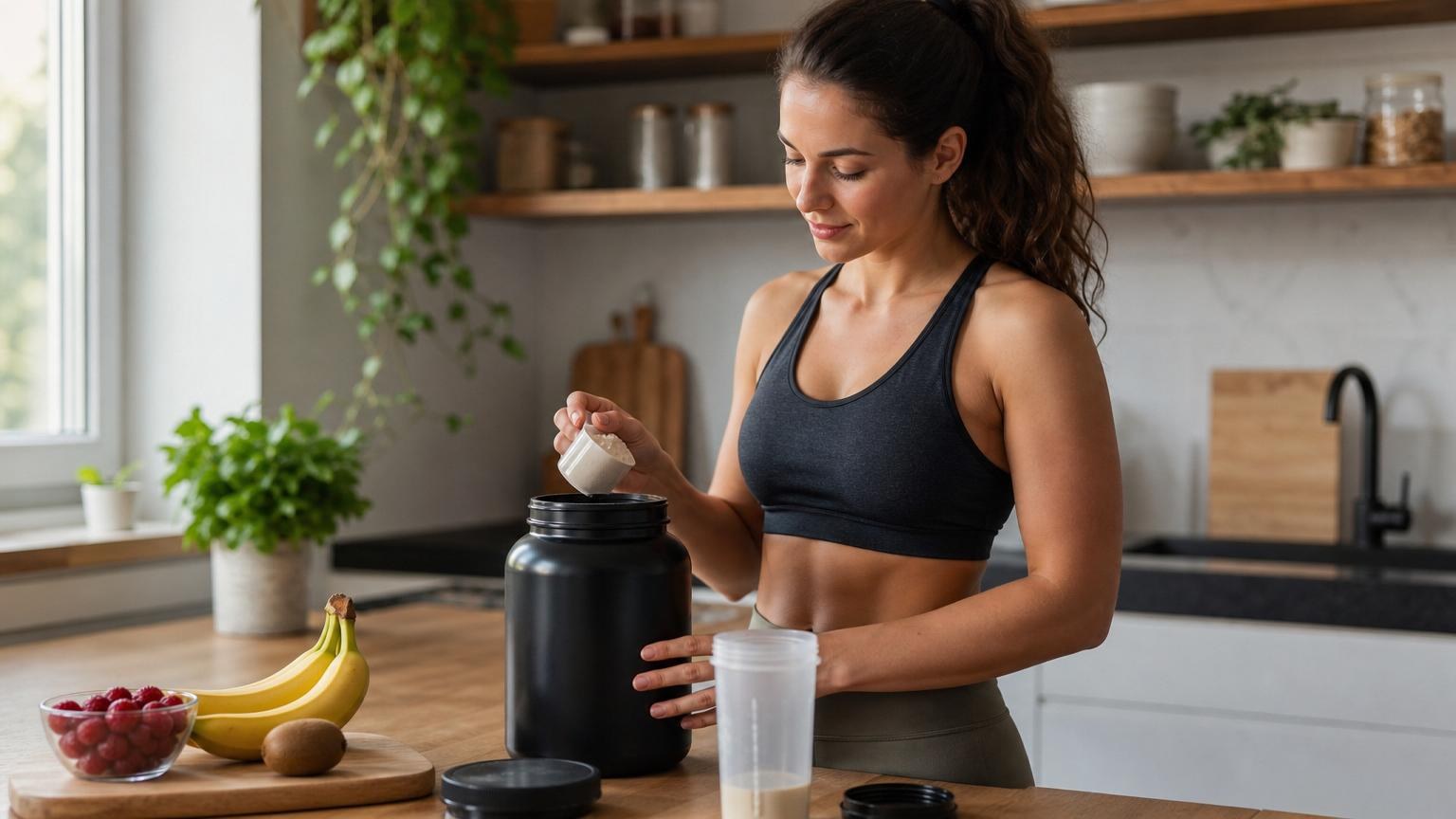
Most people searching for the best protein powder to lose weight have already been burned at least once. Maybe you bought a tub that tasted like chalk, or you picked one loaded with so much sugar it was basically a milkshake. The supplement aisle is overwhelming, and the marketing makes everything sound like a miracle. Here’s the reality: protein powder can absolutely support fat loss, but only if you pick the right type and actually use it correctly. The wrong choice can stall your progress or even add unwanted calories to your day. I’ve spent years sorting through the research and testing products myself, and the difference between what works and what’s just hype is enormous. This isn’t about brand loyalty or trendy ingredients. It’s about understanding the science, reading labels with a critical eye, and matching a product to your specific body and goals. If you’re tired of guessing, you’re in the right place. Let’s cut through the noise and talk about what actually works for dropping body fat while keeping the muscle you’ve earned.
The Science of Protein and Weight Loss
Before you spend a dime on any supplement, understanding why protein matters for fat loss changes everything. Protein isn’t just for bodybuilders. It’s arguably the single most important macronutrient for anyone trying to lose weight, and the research backing this up is staggering. A 2024 meta-analysis published in the American Journal of Clinical Nutrition confirmed that higher protein diets consistently outperform lower protein diets for fat loss, even when total calories are identical. That’s not a small detail: it means the type of calories you eat genuinely matters, not just the number.
The reason comes down to three mechanisms that work together, and each one deserves your attention.
How Protein Increases Satiety and Reduces Cravings
Protein is the most filling macronutrient, and it isn’t close. When you eat protein, your body releases hormones like peptide YY and GLP-1, both of which signal fullness to your brain. At the same time, protein suppresses ghrelin, the hormone that makes you feel hungry. The net effect? You eat less without white-knuckling your way through the day.
A study from the University of Missouri found that participants who consumed 25-30 grams of protein at breakfast reduced their daily caloric intake by roughly 400 calories compared to those who ate a carb-heavy morning meal. That’s the equivalent of a small meal, gone, without any willpower required. This is why a protein shake in the morning can be such a powerful tool. It’s not magic; it’s biochemistry working in your favor.
The Thermic Effect of Food: Burning Calories While You Digest
Your body burns calories just digesting food, and protein costs the most energy to process. About 20-30% of the calories from protein are burned during digestion, compared to 5-10% for carbs and 0-3% for fat. If you eat 200 calories of protein, your body uses roughly 50-60 of those calories just breaking it down.
This is called the thermic effect of food (TEF), and it’s one of the most underappreciated aspects of weight loss. Over weeks and months, a higher protein diet can increase your daily energy expenditure by 80-100 calories without you doing anything extra. That won’t transform your body overnight, but it compounds. Think of it as a background process that’s constantly working in your favor.
Preserving Lean Muscle Mass in a Calorie Deficit
Here’s the part most people miss: when you eat fewer calories than you burn, your body doesn’t just pull from fat stores. It also breaks down muscle tissue for energy, especially if protein intake is low. Losing muscle tanks your metabolism, makes you look softer even at a lower weight, and sets you up for the dreaded rebound weight gain.
Adequate protein intake, generally 0.7-1.0 grams per pound of body weight, protects your muscle mass during a deficit. A 2025 study in the Journal of the International Society of Sports Nutrition showed that individuals who maintained high protein intake during a 12-week cut retained 40% more lean mass than those who didn’t. Protein powder makes hitting these targets realistic, especially for people who struggle to eat enough whole food protein on a reduced-calorie diet.
Top Protein Types for Fat Loss
Not all protein powders are created equal. The source of your protein affects digestion speed, amino acid profile, calorie count, and how full you feel. Choosing the right type for your lifestyle and goals makes a real difference.
Whey Protein Isolate vs. Concentrate
Whey protein dominates the market for good reason: it’s fast-absorbing, rich in branched-chain amino acids (BCAAs), and well-studied. But the distinction between isolate and concentrate matters more than most people realize.
Whey concentrate typically contains 70-80% protein by weight, with the rest being lactose, fat, and other milk components. Whey isolate goes through additional processing to reach 90%+ protein content, stripping out most of the lactose and fat. For weight loss, isolate is the better choice. You get more protein per calorie, less bloating if you’re lactose-sensitive, and a cleaner nutritional profile. Expect to pay about 15-20% more for isolate, but the tradeoff is worth it if fat loss is your priority.
Casein Protein for Sustained Fullness
Casein is whey’s slower cousin. It forms a gel-like substance in your stomach, which means it digests over 6-8 hours instead of 1-2. For weight loss, this slow release keeps you feeling satisfied for much longer, making it an excellent option before bed or as a meal replacement during long stretches between meals.
Research from Maastricht University found that casein consumption before sleep increased overnight muscle protein synthesis by 22% and improved next-morning satiety scores. If your biggest struggle is nighttime snacking or waking up ravenous, a casein shake before bed might be the single best change you can make.
Plant-Based Options: Soy, Pea, and Rice Protein
Plant-based proteins have come a long way. Pea protein isolate, in particular, has emerged as a strong contender for fat loss. A 2023 study in the Journal of the International Society of Sports Nutrition found no significant difference in muscle retention or fat loss between pea protein and whey protein over a 12-week period, assuming equal protein intake.
Soy protein offers a complete amino acid profile and has been shown to support satiety similarly to whey. Rice protein, while lower in lysine, blends well with pea protein to create a complete amino acid profile. If you’re vegan, lactose intolerant, or just prefer plant-based options, a pea-rice protein blend is your best bet. Look for products with at least 20 grams of protein per serving and minimal added ingredients.
Key Ingredients to Look for and Avoid
The protein source is only half the equation. What else is in that tub matters enormously, and this is where a lot of products quietly sabotage your fat loss efforts.
Hidden Sugars and Artificial Sweeteners
Flip the label over. If you see maltodextrin, dextrose, or corn syrup solids in the first five ingredients, put it back. Some “protein” powders contain 15-20 grams of sugar per serving, which essentially turns your health supplement into candy.
Artificial sweeteners are a more nuanced issue. Sucralose and acesulfame potassium are the most common, and while they don’t add calories, emerging research from 2025 suggests they may disrupt gut microbiome composition and potentially increase sugar cravings in some individuals. Stevia and monk fruit are better alternatives if you want sweetness without the controversy. The cleanest option? Unflavored protein that you mix with fruit or cocoa powder yourself. You control exactly what goes in.
Fiber and Probiotics for Digestive Health
Some protein powders now include added fiber (usually from chicory root or psyllium husk) and probiotic strains. These aren’t gimmicks. Fiber increases satiety and slows digestion, which pairs beautifully with the protein itself. Aim for products that provide 3-5 grams of fiber per serving.
Probiotics support gut health, which plays a larger role in weight management than most people realize. A healthy gut microbiome is associated with better appetite regulation and reduced inflammation. Look for products that include Lactobacillus or Bifidobacterium strains with at least 1 billion CFU per serving. These additions won’t replace a good diet, but they add genuine value to an already solid product.
How to Use Protein Powder Effectively
Owning the right protein powder means nothing if you use it wrong. Timing, dosage, and context all influence whether it helps or hinders your weight loss.
Timing: Post-Workout vs. Meal Replacement
The “anabolic window” myth has been largely debunked. You don’t need to chug a shake within 30 minutes of your last rep. That said, having protein within 2-3 hours of training does support muscle recovery and keeps your metabolism humming.
For weight loss specifically, using protein powder as a meal replacement is often more effective than as a post-workout supplement. Replacing a 500-calorie breakfast with a 150-calorie protein shake creates a meaningful deficit while keeping you full until lunch. Just don’t replace more than one meal per day with a shake: whole foods provide micronutrients, fiber, and chewing satisfaction that powders can’t replicate.
Here’s a practical approach that works well for most people:
- Morning: protein shake blended with spinach, half a banana, and ice (great meal replacement)
- Post-workout: protein shake with water if your next meal is more than 2 hours away
- Evening: casein shake before bed if you’re prone to late-night snacking
Calculating Your Daily Protein Requirements
Most adults aiming for fat loss should target 0.7-1.0 grams of protein per pound of body weight daily. For a 170-pound person, that’s 119-170 grams. Whole foods should provide the majority of this: chicken, fish, eggs, Greek yogurt, legumes. Protein powder fills the gap.
If you’re consistently 40-50 grams short from food alone, one to two scoops of protein powder per day bridges that deficit perfectly. Track your intake for a week using an app like MyFitnessPal or Cronometer to see where you actually stand. Most people overestimate their protein intake by 20-30%, so the data might surprise you.
Common Pitfalls When Supplementing for Weight Loss
I see the same mistakes repeated constantly, and they’re all avoidable.
The biggest one: treating protein shakes as “free” calories. A shake still has 120-200 calories. If you add it on top of your normal diet without adjusting anything else, you’re adding calories, not creating a deficit. Protein powder is a tool for hitting your macros more efficiently, not a magic fat burner.
Second, people buy mass gainers by accident. These products are designed for people trying to gain weight and can contain 500-1,000 calories per serving. Always check the calorie count and serving size before purchasing. If a single serving has more than 200 calories, it’s probably not designed for fat loss.
Third, relying solely on protein powder while neglecting whole food sources leads to micronutrient deficiencies. You need the vitamins, minerals, and phytonutrients that come from real meals. Powder is a supplement, not a substitute for eating well.
Finally, don’t fall for proprietary blends that hide individual ingredient amounts behind a single number. Transparency matters. If a company won’t tell you exactly how much of each ingredient is in their product, that’s a red flag. The best brands in 2026 are fully transparent with their labels because they have nothing to hide.
Final Verdict: Choosing the Right Supplement for Your Goals
Finding the right protein powder for weight loss doesn’t require a nutrition degree. It requires knowing what to look for and what to ignore. Choose whey isolate if you tolerate dairy and want the most researched option. Pick a pea-rice blend if you’re plant-based. Consider casein if hunger between meals or at night is your biggest obstacle.
Look for products with at least 20 grams of protein per serving, under 5 grams of carbs, minimal sugar, and a short, recognizable ingredient list. Skip anything with proprietary blends, excessive fillers, or wild marketing claims.
The protein powder that actually works is the one you’ll consistently use as part of a calorie deficit, paired with strength training and adequate sleep. No supplement replaces those fundamentals. But the right protein powder makes hitting your daily targets easier, keeps you fuller, and protects the muscle that keeps your metabolism strong. Pick one that fits your budget and your taste buds, stay consistent, and give it 8-12 weeks. The results will speak for themselves.
Keep reading
On semaglutide or tirzepatide, up to 40% of the weight you lose can be lean tissue. Here's the daily protein target, what the trials measured, and which powders go down when your appetite doesn't.
The ultimate guide to 90s bodybuilders, how they trained, their impact, influence and more. Find out all in this article.
Was 90's Bodybuilding the real Golden Era of bodybuilding? Discover all about 90's bodybuilders in what may have been the greatest era in the sport.